

how to learn to draw disney princess eyes and lips
Hello and welcome to my tutorial on digital character painting! Prune Studio Paint is a bang-up program, and equally you'll see, we only demand a few of its many tools to do a good-looking painting. See fig. 1.
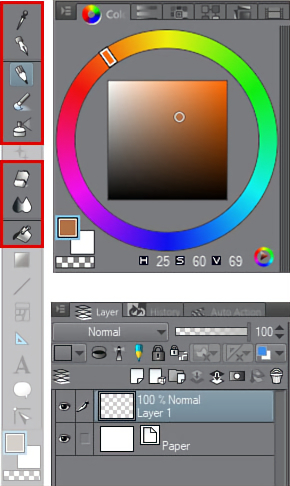
fig 1. The main tools and windows we'll be using in this painting
Earlier nosotros begin, allow me outline what we'll exist doing. Nosotros'll be painting a character with basically homo proportions, in total color. We are going to practise it in ii overall stages. Stage one is a grayscale (or blackness-and-white) painting. We'll deal with blocking in the character and its overall pattern. Stage two is when we'll add in the color and bring the piece to a rendered finish, fit for a portfolio or committee!
Stage ane: The Grayscale Phase
First, let's start a new canvas. Become to File > New. See fig. 2 for the settings I used, but feel gratuitous to apply whatsoever settings you like. You'll now exist confronted by one of the scariest things in fine art: a blank white canvas, *gasp!*
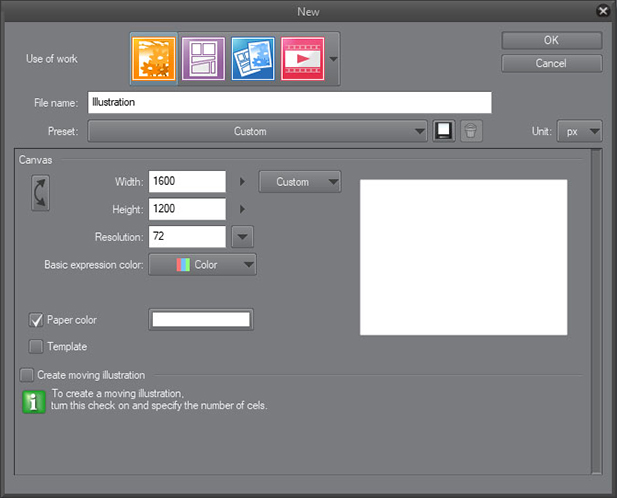
fig ii. My settings when creating the new sail
But never fear! This is precisely why we're using the grayscale-to-color technique: we only have to worry about values to begin with. Oh, by the fashion, 'values' and 'grayscale' refer to the same thing. Come across fig. iii.
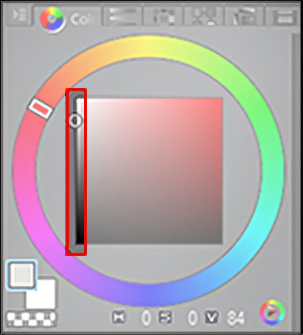
fig 3. The grayscale
This makes our decision-making so much less stressful at the outset. So, let'southward impale that white-canvas monster with the 'Fill' tool. I selected a adequately light gray to begin with. I chose this value because I tend to desire lots of room to go darker (to add shadows and other dark elements), and only need a petty room to go lighter. See fig. 4.
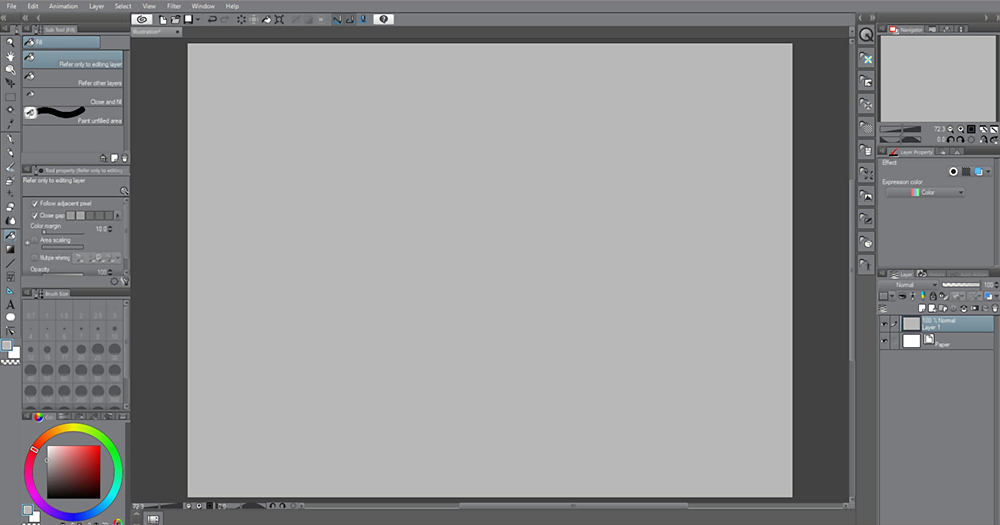
fig 4. Filling the canvas with a lite greyness
Okay, it's fourth dimension to start drawing. I grabbed the Pencil tool and chose the Crude pencil brush. The castor yous select is not to be fixated upon; choose anything that y'all feel comfortable drawing with. Prune Studio Paint offers so many great choices for this, yous almost tin't go wrong! See fig. v for my settings.
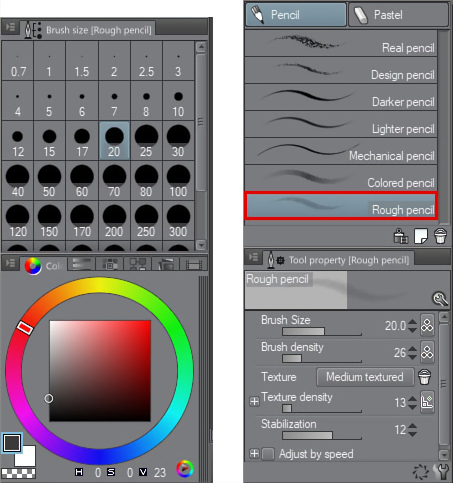
fig v. My initial pencil settings
I cake in a rough construction for my character. It volition be a young daughter with her head tilted upward. She'll be wearing a chapeau and coat, every bit if going for a well-baked winter stroll.
Detect that my lines are not just outlining the silhouette; they are structure lines. I am building up the face with its major planes, thinking about the skull underneath and the full general structure of the head.
The planes of the head are not the focus of this tutorial, only are an invaluable matter all artists should larn, every bit the knowledge will enable you to draw the head from any angle.
If you are following this tutorial and but feel like painting along with me, experience free to simply copy or trace my drawing! Later all, nosotros are focused on painting technique here, not the planes of the caput. Encounter fig. vi.
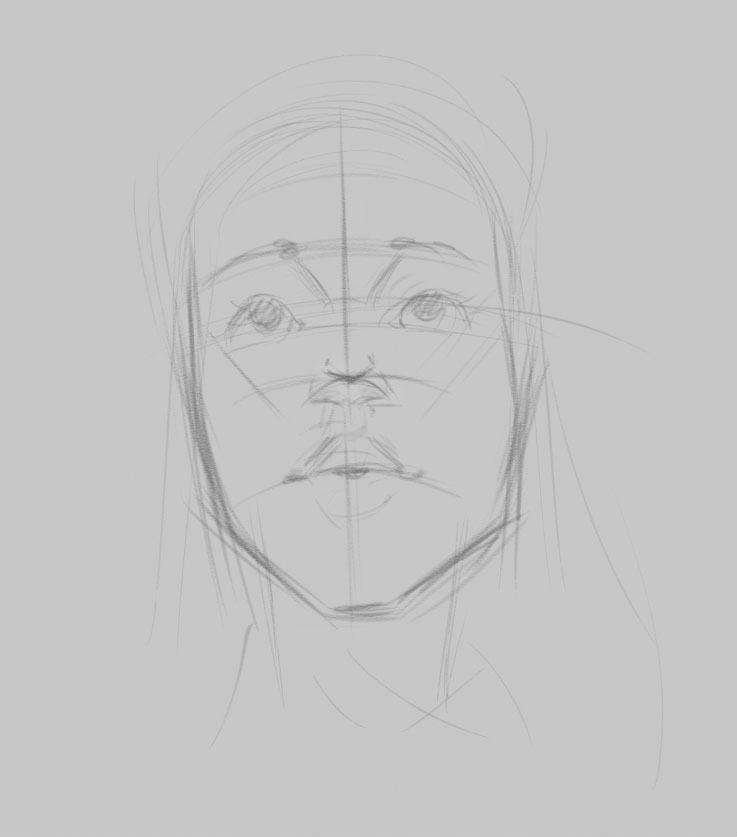
fig half-dozen. Roughing in a sketch
Switching to the Airbrush tool, I now cake in very basic value decisions: the graphic symbol volition be nighttime, and the background will remain calorie-free. See fig. 7 for my Airbrush settings.
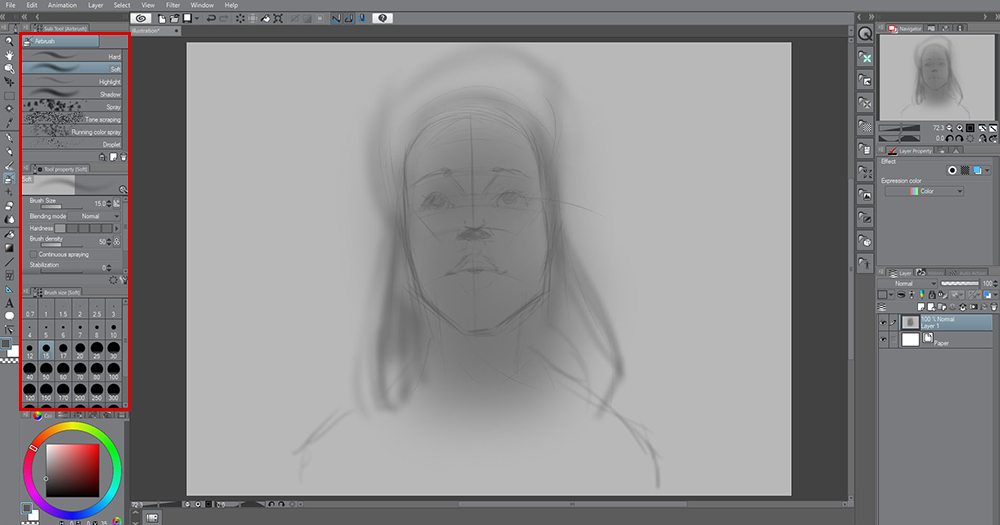
fig 7. Blocking the virtually basic value groups
I take two things to note. First, I am still working on merely one layer! Also, about my brush choices: I am ever changing castor settings.
In fig. 7, y'all can run into I accept the 'Hardness' set depression. I will change that as I work, based on the stroke I desire. For instance, if I desire to do some effectively piece of work, say, on the center – instead of switching my tool altogether, I'll starting time simply attempt calculation more hardness to the airbrush.
This keeps the workflow moving, which maximizes the fourth dimension you're interacting with your fine art, rather than fixating on the digital tools.
I also modify my brush size a lot, based on the stroke I want. Fig. 8 shows how multiple brush sizes from the same tool produce strokes that appear to exist made by different tools!
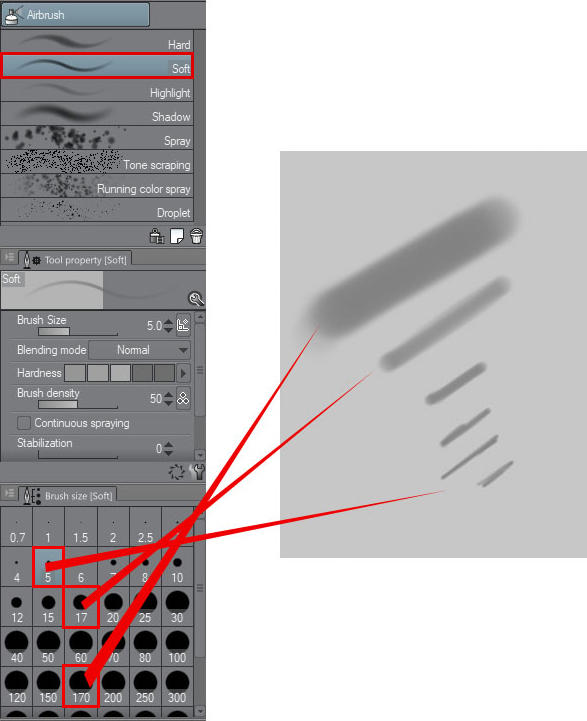
fig 8. Using the airbrush to achieve multiple looks
Still working with the airbrush, I'm building up some diffused lighting on the character's confront. I'thousand imagining the light to be softly coming down from to a higher place. This ways that the planes that face up upward will receive slightly lighter values in the grayscale, planes that confront to the side will be a petty darker, and planes that confront downwardly will exist the darkest. Encounter fig. ix.
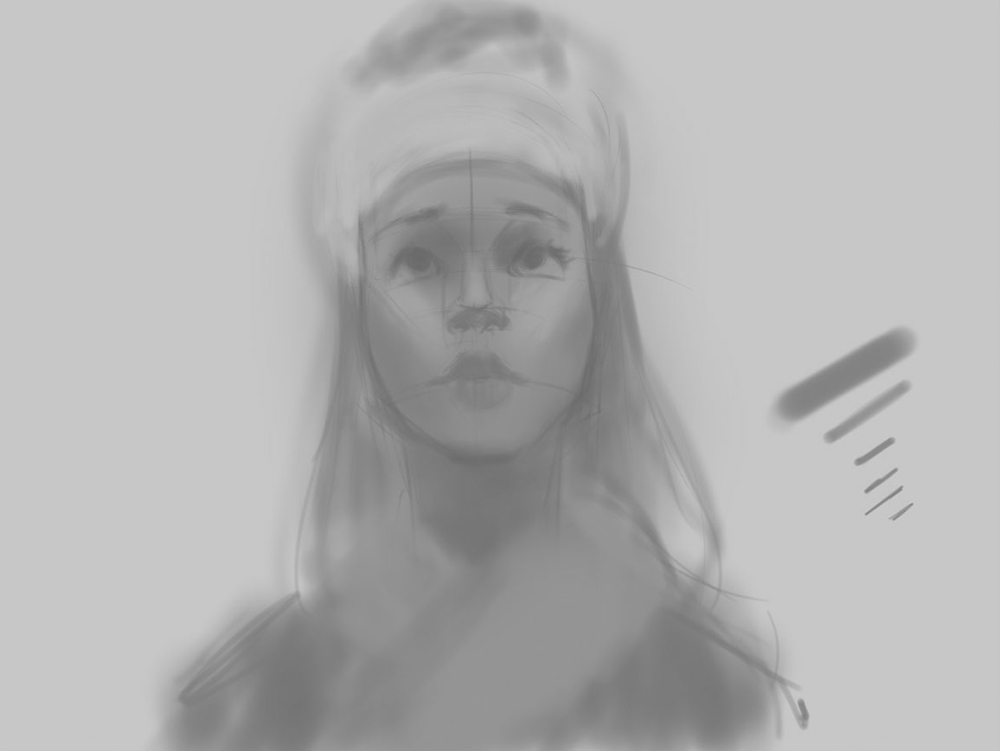
fig 9. Starting the modeling of soft light on the forms
I want the character to have a slight tilt to her, as to non be so rigid. I just fabricated a pick and used the tool's built-in widgets to rotate the head. See fig. ten. I'll and so simply make full in the gaps that are left backside with the brush I already take active.
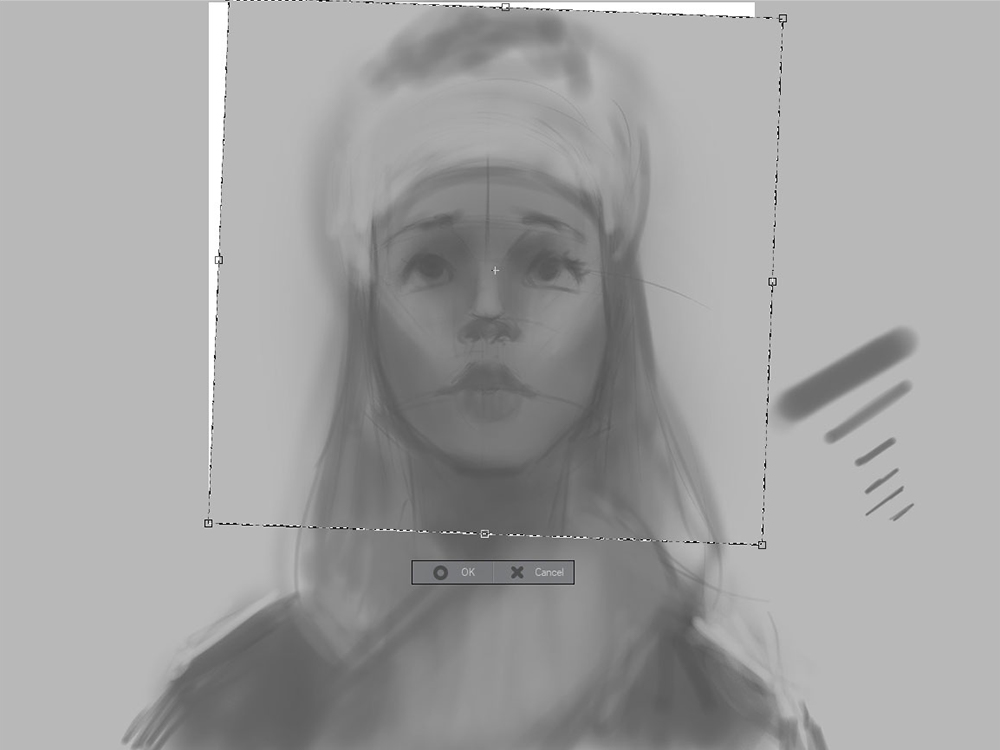
fig 10. Adding small touches of disproportion
I flip my canvas often as I paint. This is a holdover from my oil painting days, where I would have a giant mirror behind me, which I could apply to see my painting flipped around.
The reason artists do this is that information technology momentarily "tricks" your encephalon into thinking information technology's seeing your paradigm for the get-go time. As such, it becomes very obvious where the mistakes are. It also brings to lite things you simply get used to equally you create something, for better or for worse.
Because I am only working on a single layer, I tin get to Edit > Transform > Flip Horizontal. Meet fig. 11.
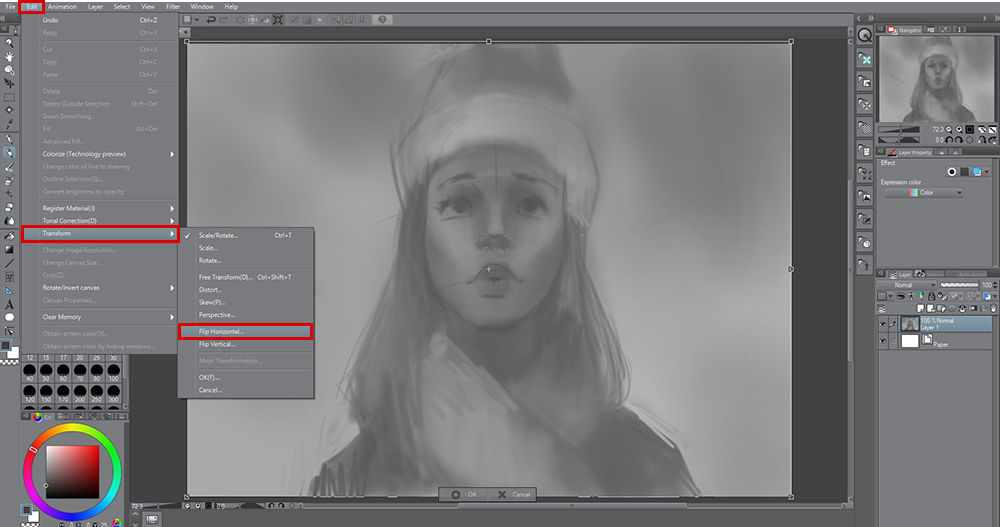
fig xi. Flipping (mirroring) the active layer
I want to darken some of the shadows. I'll do this with a special layer designed for that purpose! Add a new layer with the push button shown in fig.12, outlined in reddish. On the right side of fig. 12, I am choosing the Multiply mode.
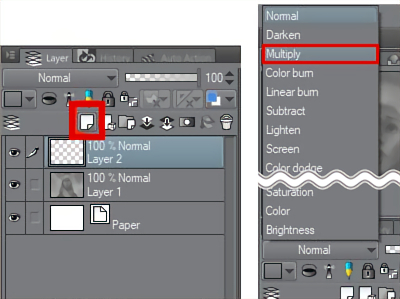
fig 12. Making a new layer (left), and setting it to Multiply style (right)
This manner is specifically for concealment tones. So, even if you accept a light value selected, it will darken your image.
Choose light values to darken slightly, and nighttime values to darken dramatically. Still using that aforementioned airbrush from earlier, I use some general darkening to the planes that face up down, thereby increasing the contrast and sense of light on the planes that confront upward! See fig. 13.
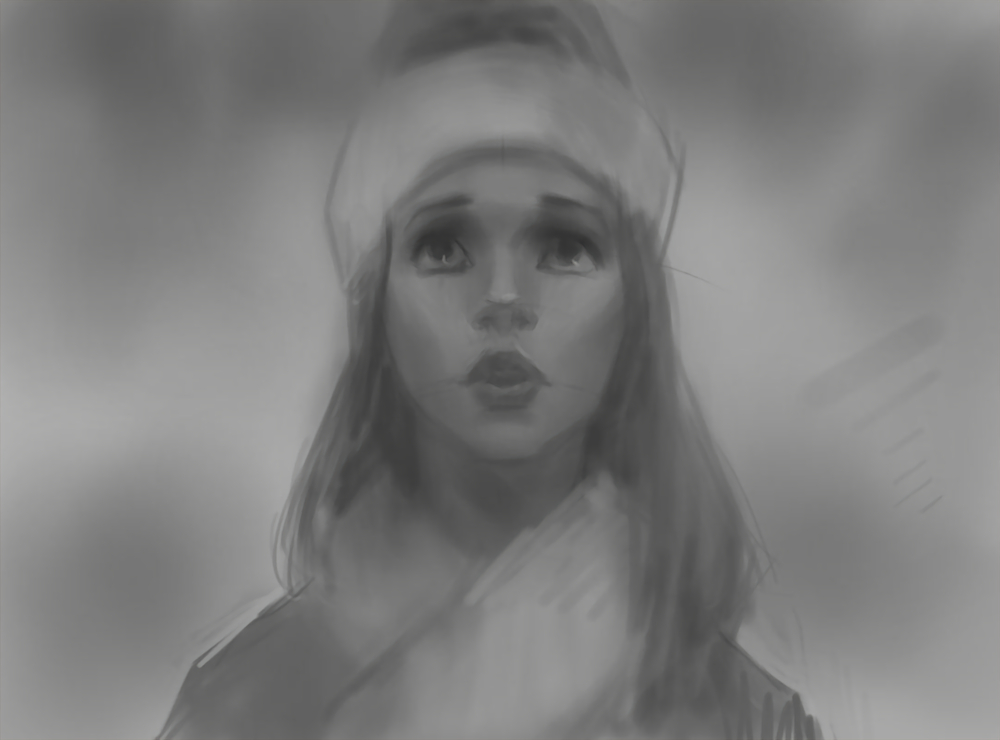
fig 13. Darkening areas to add modeling and design accents to the forms
When you're done with this step, I recommend committing to information technology with this push button (fig. 14). This will go you back to working with ane layer.
Note: Yous practice not have to combine layers. Sometimes it is helpful to keep your layers separate, so you lot can edit them later on. The downside of that, however, is that it can outset bogging you lot down with technical decisions that may distract you lot from the act of cartoon and painting. This is why, more often than not, I will choose to combine layers and work on the fewest layers possible!
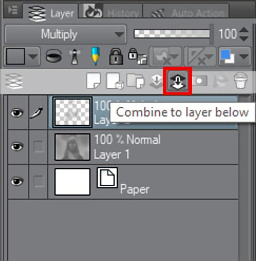
fig 14. Committing to the layer
Now I want to make a layer to handle some lightening of values. I'll add a new layer, but this time I will set it to Glow Dodge mode (see fig. fifteen.)
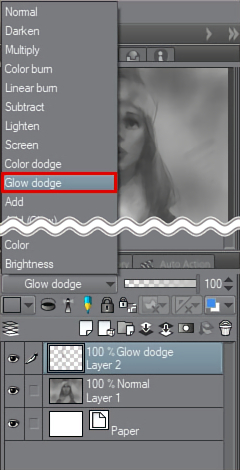
fig 15. New layer set to Glow dodge mode
This is similar the opposite of Multiply fashion: picking a nighttime value volition only slightly lighten the values, and picking a calorie-free value will dramatically lighten them. Fig. 16 is the result of painting on the layer. I kept the castor soft, equally to imitate very diffused lite coming from the environment.
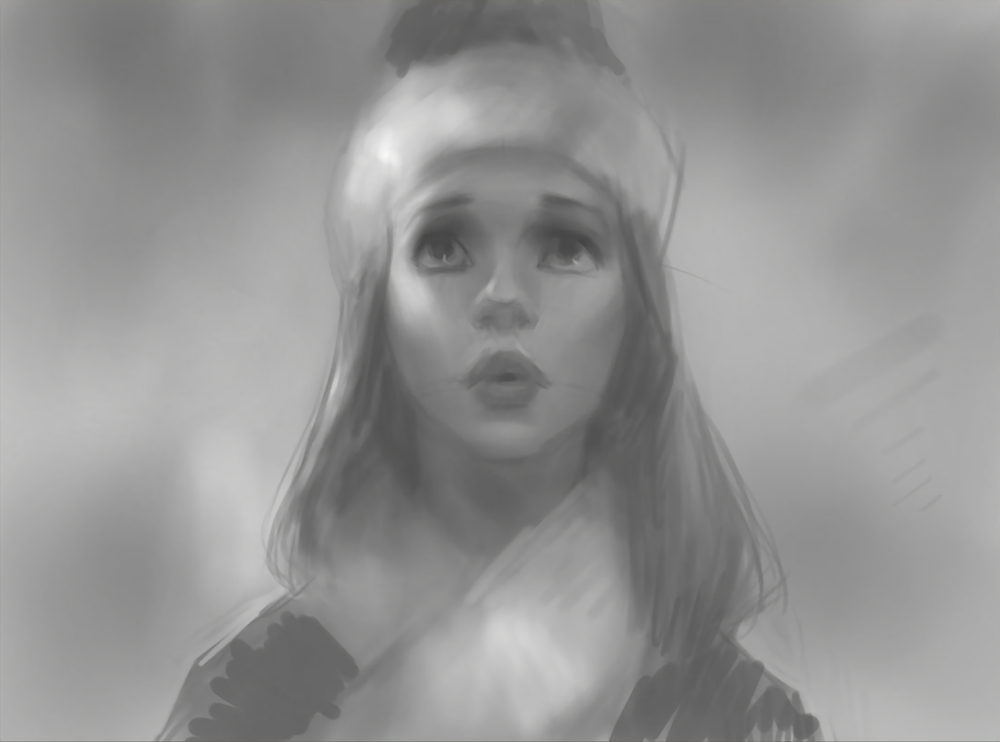
fig sixteen. Painting in some light
At present that the character is taking shape, I want to go some kind of background/environs in there. I will go along it relatively abstract, every bit to not distract from the character. I created this tutorial during an actual snowfall, so, inspired by real life, permit's propose a wintertime wonderland! To brand snowflakes, I volition employ the Airbrush tool, but now with the Spray castor selected (see fig. 17.)
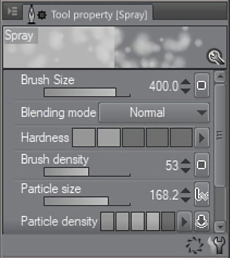
fig 17. Spray castor settings
I'll make some snowflakes, trying to go along them looking random, and also strategically placed so they do not interfere with our grapheme also much. As usual, I will play with the Spray brush's many settings here, in order to create snowflakes of all sizes. Variety is the cardinal to making something appear organic! See fig. xviii for the result of this step.
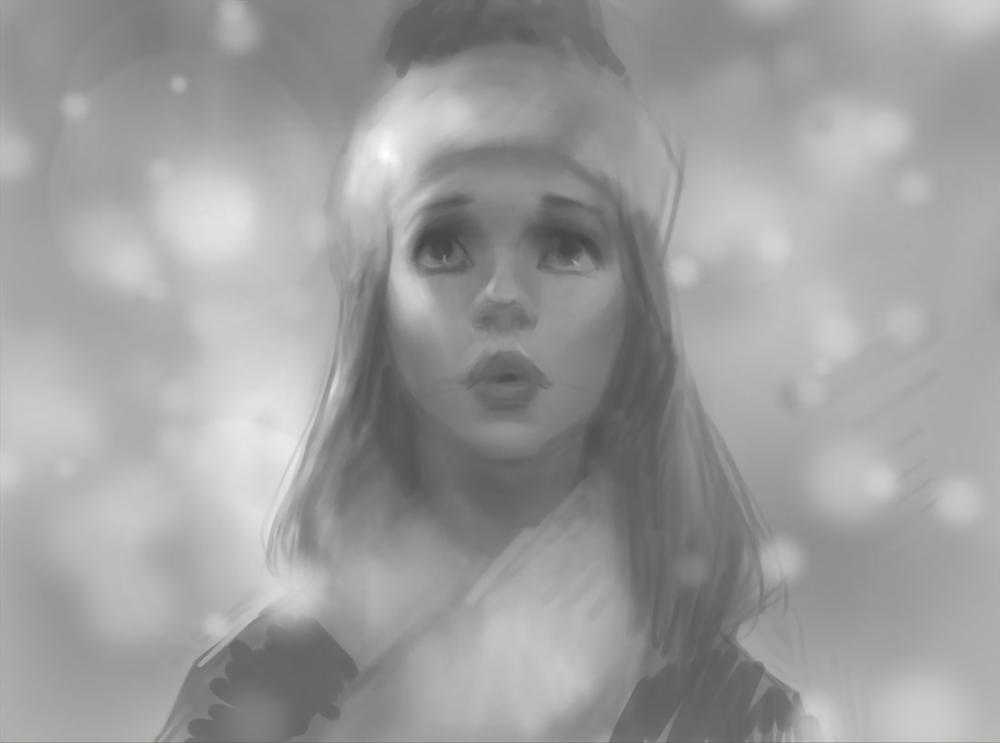
fig xviii. Playing around with diverse snowflake sizes
Now I'll select the Blend tool, which allows me to blend and smudge the paint around on the canvas, almost like a real oil or acrylic painting! I tin accomplish some of the hirsuite texture for the woolly hat with this tool. Attempt using strokes that go in multiple, random directions.
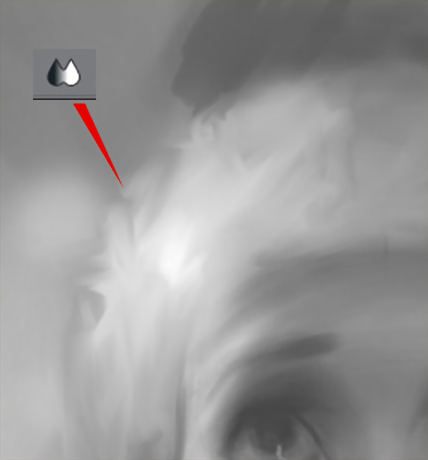
fig 19. Using the Blend tool for some texture
And just similar that, we are done with the grayscale/value phase! 1 affair to keep in mind is that we practise not need to get to 100% completion at this step. Practise not experience the need to slave over this stage until it's perfect; save all those niggling details for the next footstep, when we're working in color! I consider the grayscale stage completed when the lighting is believable, and nosotros're using the desired range of lights and darks. See fig. 20.
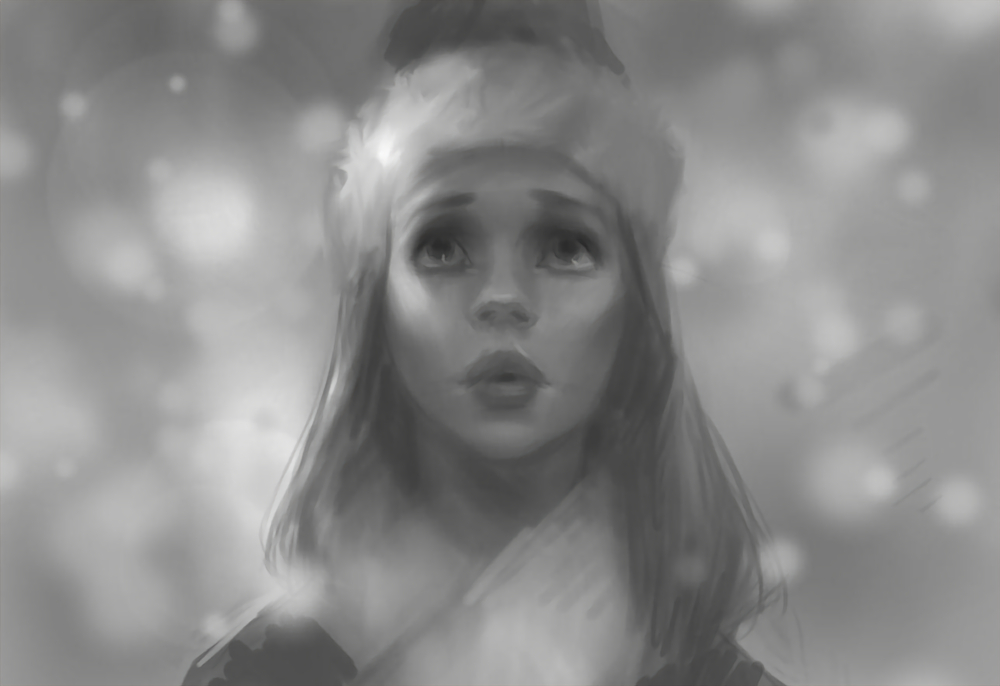
fig xx. Set for color!
Stage 2: The Colour Stage
Are you lot prepare for some color? This is where this method actually pays off, equally our lighting, value, form, and blueprint are already taken care of! We'll get-go by making a new layer and setting it to Color mode. Run into fig. 21. This volition preserve our value decisions, and simply glaze the color on top.
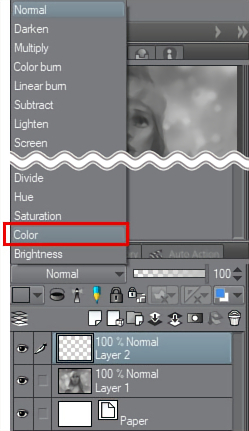
fig 21. Making a new layer and setting it to Color way
The abilityof this approach will exist immediately axiomatic. I'll begin by adding some red to the cheeks. Come across fig. 22. I am still using my soft airbrush for this step, though, as ever, yous may apply whichever brush gives you the best results or feels correct to you!
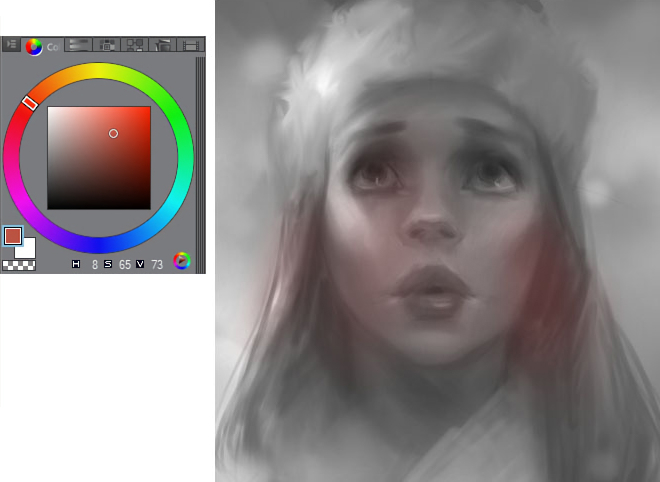
fig 22. The first color stroke of the piece
Y'all may take the question: which colors are appropriate for flesh tones? Well, that'southward a complicated subject. The real respond is: skin is not one color, nor even i range of colour. In fact, whatever color tin exist used for pare, depending on your desired palette and lighting. But if yous're just starting out with peel tones, I recommend staying in fig. 23'southward range of colors for this stride.

fig 23. Getting all areas colorized, using this range (upper-correct) of the color wheel
There will be a point where our current Color layer runs out of usefulness, and you'll actually desire your color choices to slightly affect the values underneath. To reach this, make a new layer, and set up it to Overlay mode. See fig. 24.
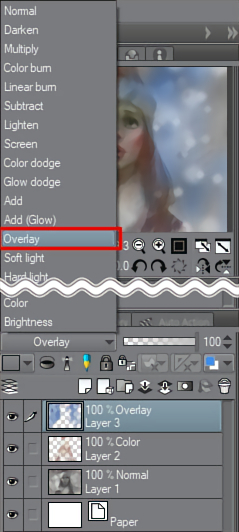
fig 24. Making a new layer, setting information technology to Overlay mode
Overlay volition glaze color just like before, simply also has the power to darken or lighten values. Experiment to get a experience for it! See fig. 25 for my progress.
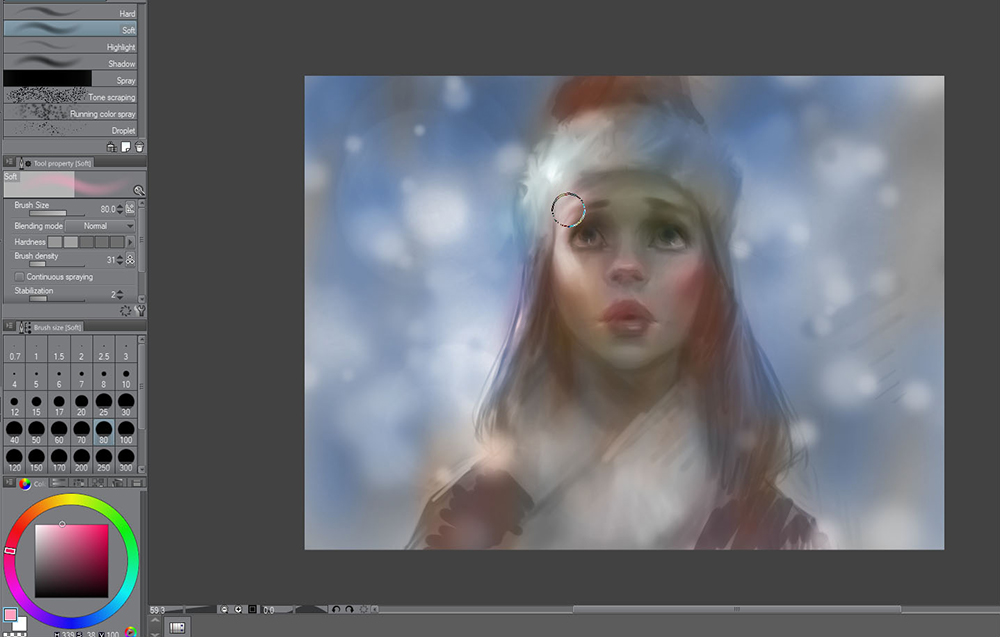
fig 25. The colour nevertheless beingness blocked in, however using the Airbrush tool
When yous isolate merely the colour layers, the painting is laughable! It proves that the real heavy lifting is being washed with our grayscale painting. (See fig. 26 – LOL!)
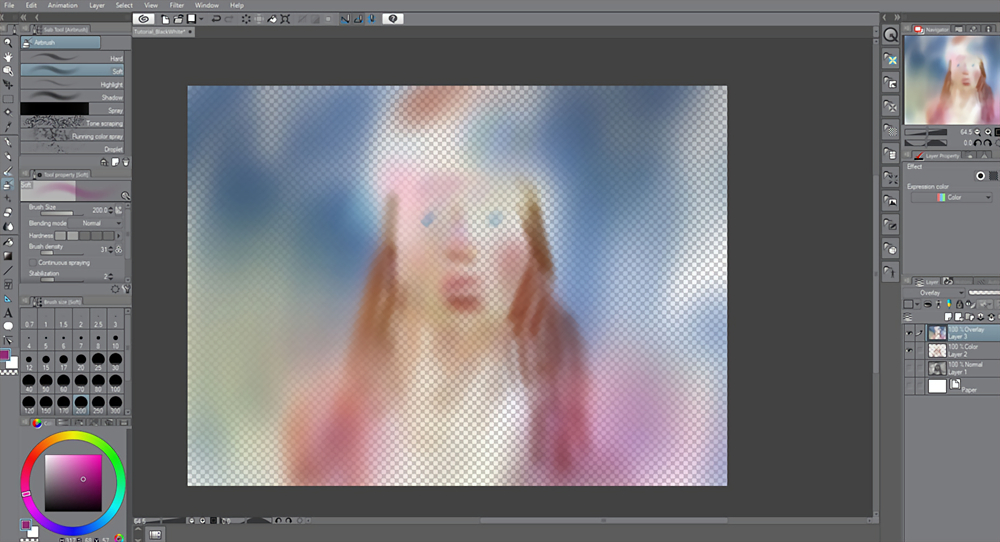
fig 26. The color layers without the grayscale painting (yuck!)
Working with my two color layers (Notation: you lot tin always become back to your original Color layer, and/or work both layers simultaneously) I will complete the color-glazing phase. See fig.27. Notice that, while there is colour in our painting now, it looks … kind of bland, like a coloring book, rather than a beautiful painting. That'due south okay! We will now movement to the finishing phase.
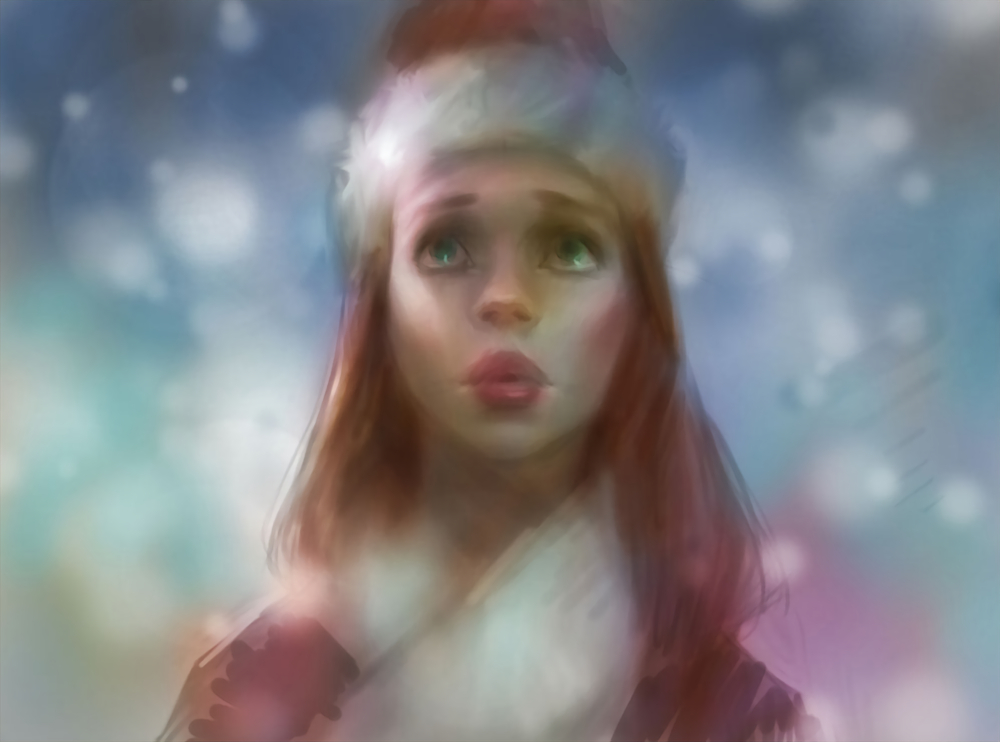
fig 27. Finishing the color-glazing stage
To stop this painting, we will need to paint opaquely. That is, putting brushwork over tiptop of everything. We volition now work with both color and value together, for the beginning fourth dimension in our procedure. Add a new layer and go along it at its default Normal way. Encounter fig. 28.
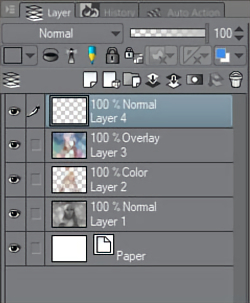
fig 28. Making a new layer, set to the default mode (Normal)
Quick notation: Remember to keep flipping the canvas equally yous work! However, since yous are at present working on more than ane layer, you will need to use a dissimilar menu option to flip all layers at once. See fig. 29.
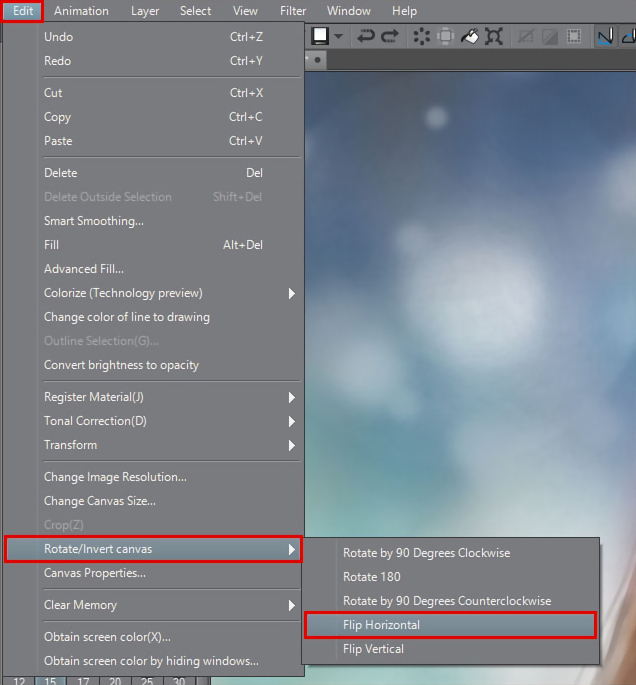
fig 29. When y'all take more than one layer, use this pick to flip/mirror the canvas
Considering I've placed this graphic symbol in a bluish environment, I want the blueness from it to filter its way into the calorie-free and colour on the character. To do this, I will pick a fairly desaturated bluish (that is, a blue that's close to grey), and will press lightly with my tablet to bear on the planes of the grapheme that face up (call back fig. 6!) See fig. 30 for the areas I am choosing to add some blues to.
Keep in mind that, by pressing lightly with your tablet, you lot volition be able to mix the color on the canvas itself. Sometimes I will even "overshoot" the blue in my colour picker (that is, pick a color that's too blueish), but by pressing lightly, I go far at the desired mixture.
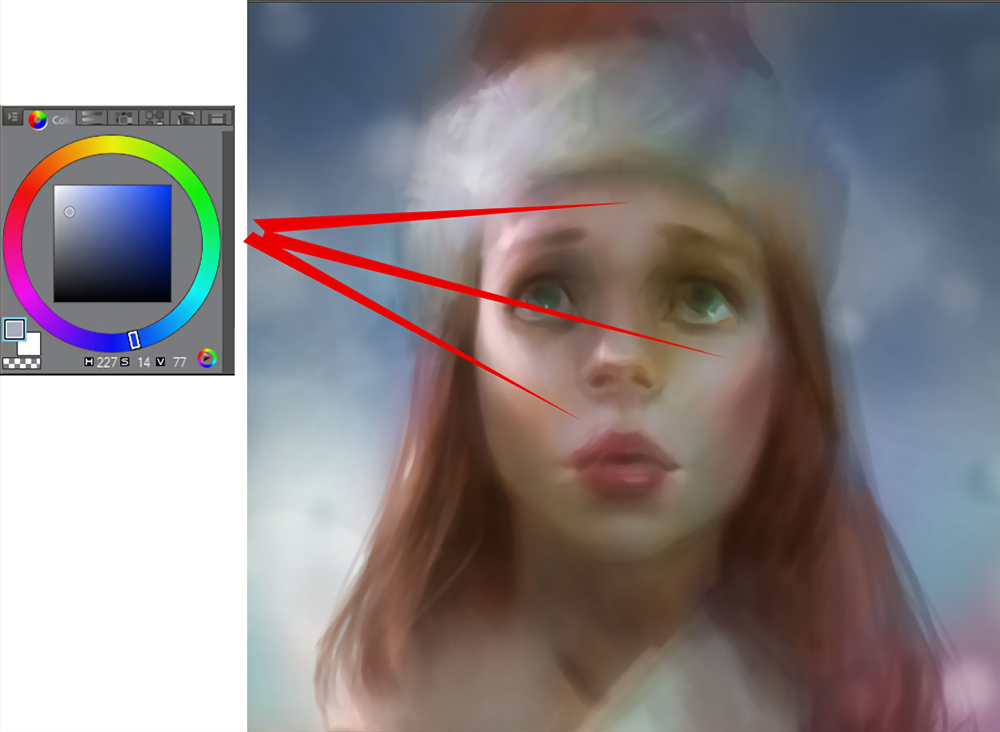
fig 30. Using blues with soft tablet pressure level to cool off some of the flesh tones, mixing the color on the sheet
At this betoken, I will commit to my layers. I accept combined them down to merely one layer. Don't be afraid of doing this! Information technology may feel scary at first, just over time it is really helpful for building confidence. However, if you are shy to commit and lose your layers, I recommend saving the file before combining layers, and then save a new file where you become ahead and combine everything. That way you can always become dorsum.
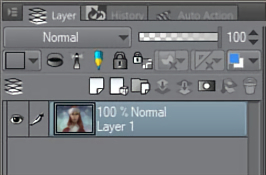
fig 31. Flattening the layers (don't exist afraid!)
I thought freckles would fit this graphic symbol. Using the Spray brush from the Airbrush tool (the same tool I used for the snowflakes), and on a new layer, I'll spray in some freckles. Because I did that on its own layer, I tin soften the consequence with the layer's opacity slider (see fig.32.) I tin can also use the Eraser tool to eliminate freckles I don't want.
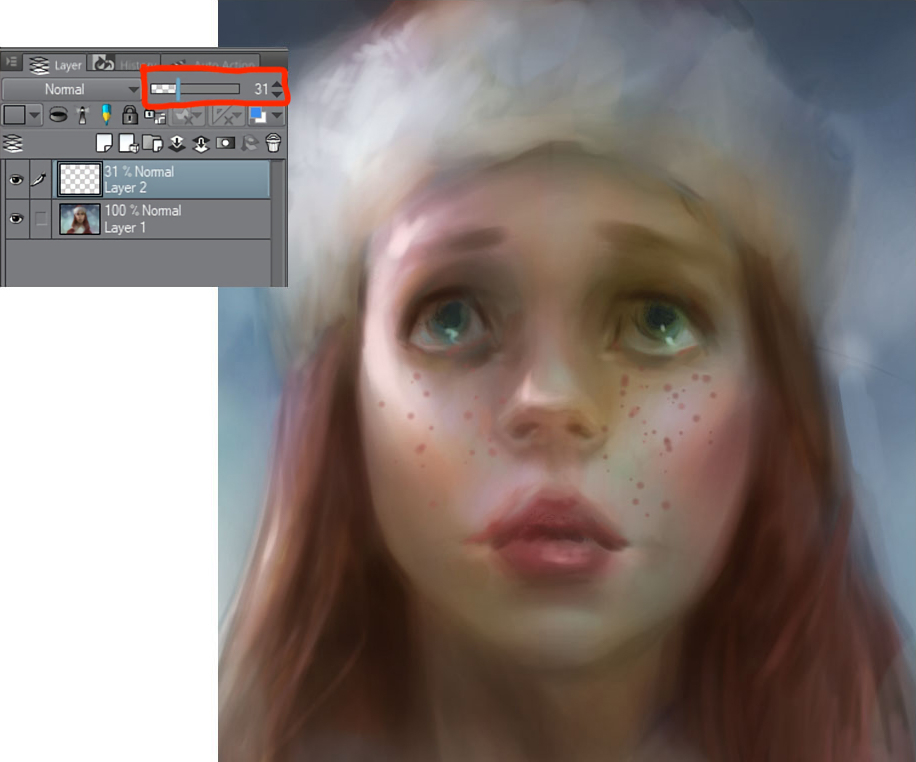
fig 32. Blocking in some freckles on a new layer
I'll at present switch to some different brushes to assist the painting look organic and traditional (which I feel looks more than lifelike and interesting.) I'll select the Watercolor tool and use the Watercolor brush. Meet fig. 33 for my settings. This brush will both apply colour, as well as rub or smudge colors that are already there. Look at the hair on fig. 33 to see this effect on the painting.
(Annotation: I am only able to achieve this smudging effect considering I am working with everything on a single layer. If you were using this tool on a separate layer, it will non smudge the pigment on the layers beneath it.)
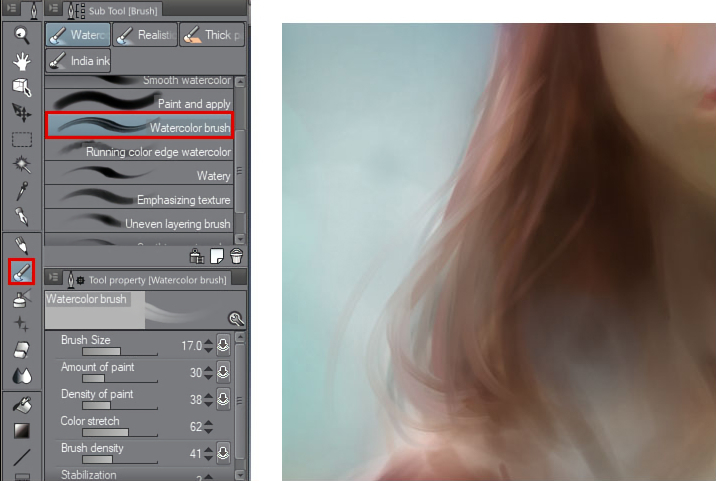
fig 33. A squeamish painterly mode brush, assuasive for some subtle colour mixing
Aside from creating interesting brushwork, I am actually focused on expanding my palette at this stage. Pilus, for instance, is made of a myriad of colors. My grapheme has cerise-brown hair, only notice the subtle hints of blue, and the variety of reds and browns (both saturated and muted) that exist, all weaving together! Run across fig. 34.
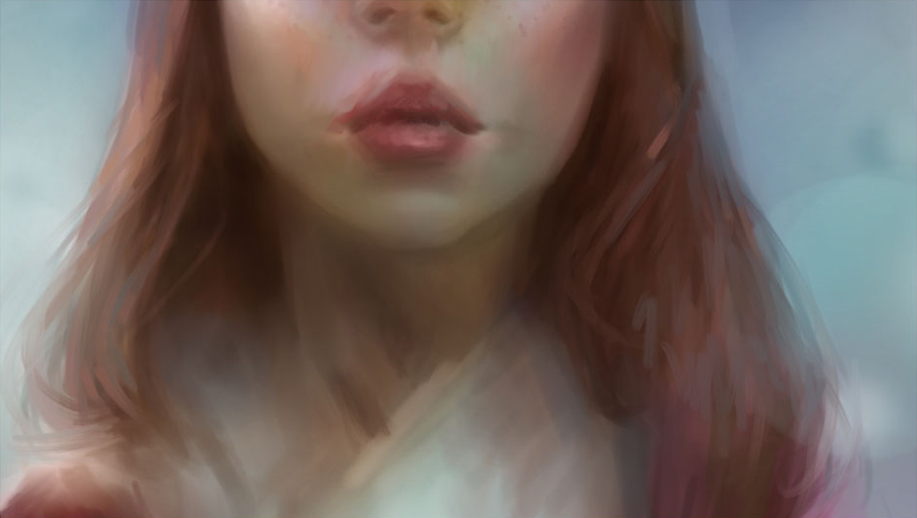
fig 34. The myriad of colors that be in hair
Moving back to the eyes, I'll utilise the Blend tool to smudge the paint in the class of eyelashes. Come across fig. 35.
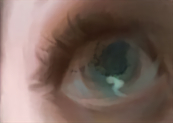
fig 35. The Blend tool used to paint eyelashes
I switched to the Pencil tool and chose the Colored pencil castor to create some harder brushstrokes that will help sharpen the painting. I am using thin brushstrokes that move in the direction of the form. See fig. 36. This technique is unremarkably referred to every bit "hatching."
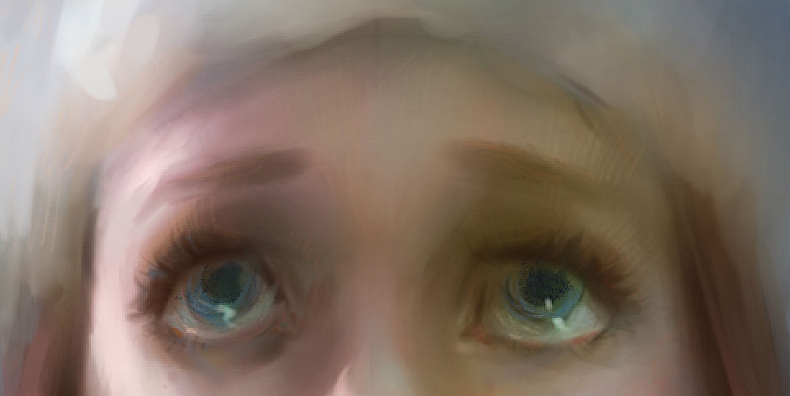
fig 36. Using hatching as a method of tightening upwards the painting
I want some more furry texture on her jacket and hat, peculiarly for the white-wool areas. So, I'll add together a new layer, and observe an airbrush tool that allows me to spray on some texture. See fig. 37 for my settings and how I've applied the brushstrokes. Like I did with the freckles, I'll suit the layer'southward opacity, as well as erase areas to go the texture to "sit in" the mode I similar it.
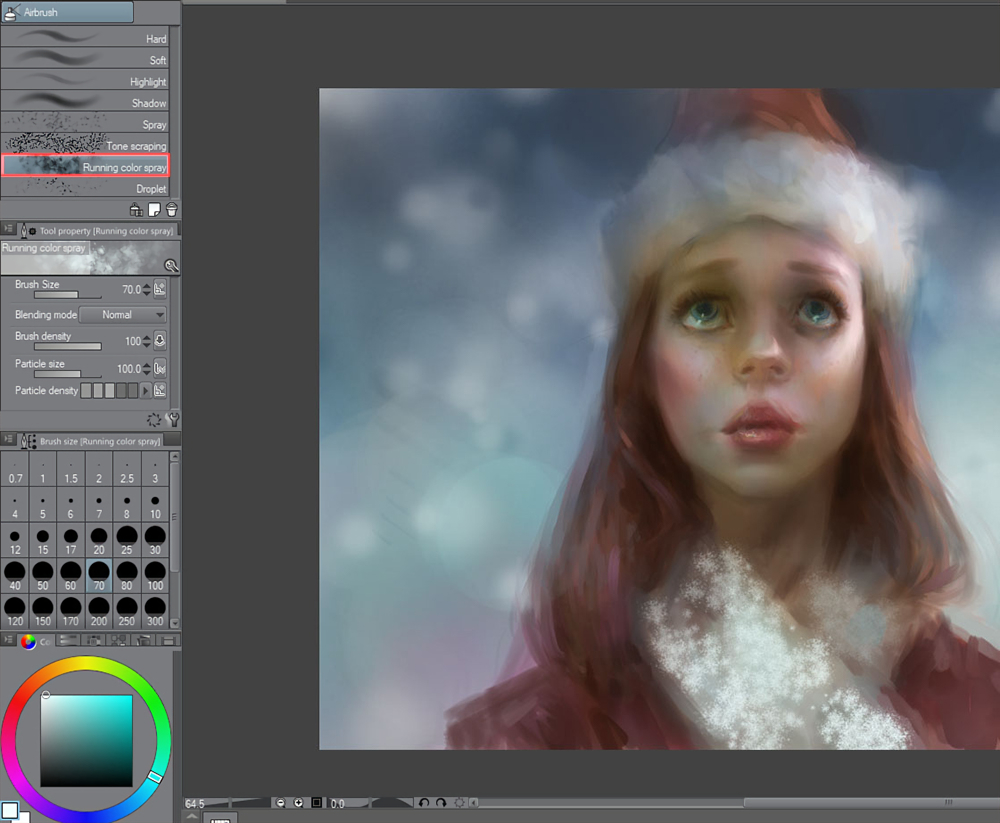
fig 37. A good brush for simulating a furry texture on the jacket
See fig. 38 for our progress. We're getting there!
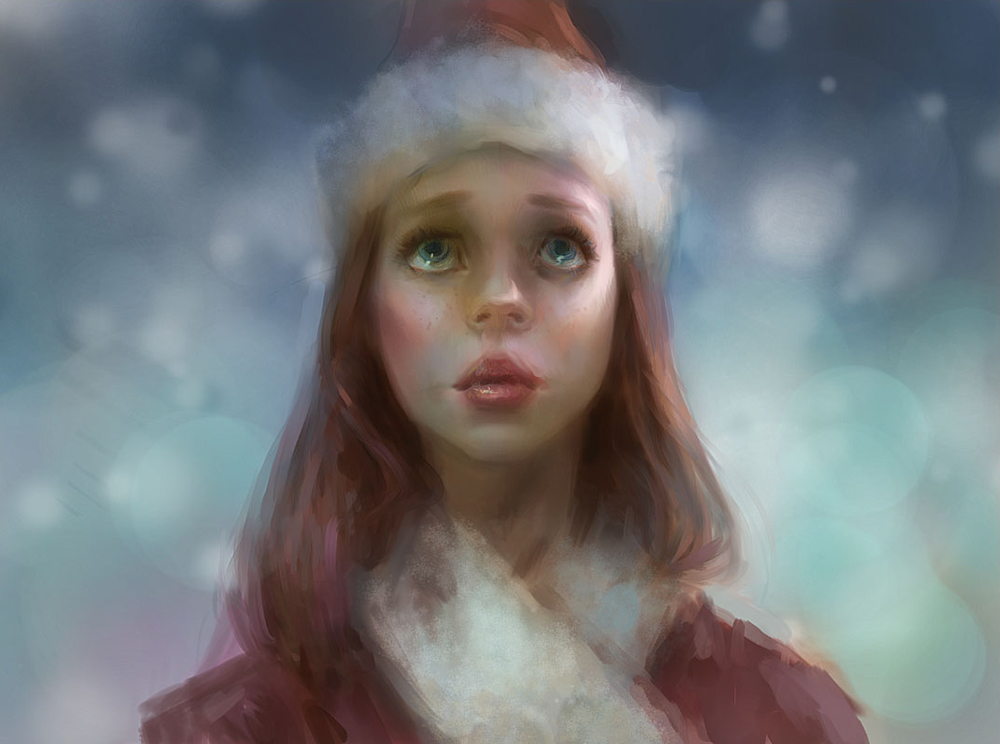
fig 38. Our progress
I'm always evaluating the rendering of the forms. I felt that her cheekbones could be a little more pronounced. I switched to a soft airbrush with a large brush size. I chose a deep, cherry-red colour, and softly brush in some concealment nether the cheekbone, to aid the plane change feel more pronounced. See fig. 39.
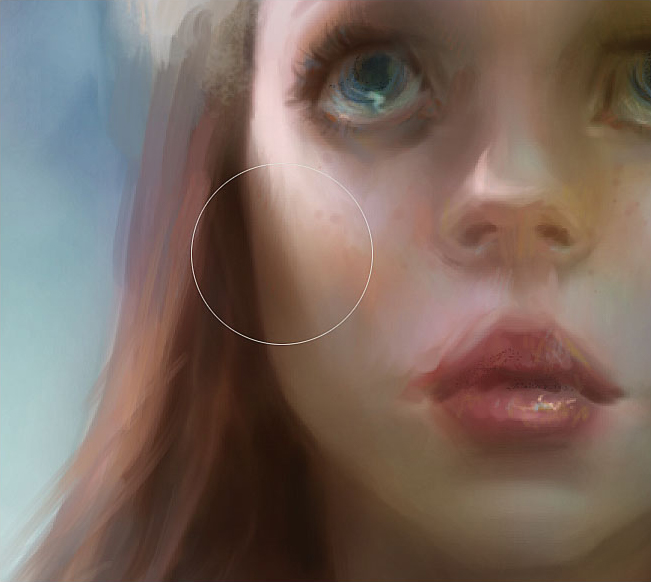
fig 39. Using a large airbrush to deepen the cheekbone area
As I moved toward the finishing strokes in the painting, I plant myself using the Round watercolor brush quite ofttimes. See fig. xl for my settings.
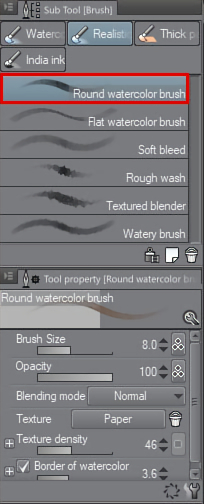
fig 40. Another brush setting I use often
Every bit I worked on this color phase, the snowflakes slowly got painted away. I now want to add those dorsum in! I'll utilise exactly the same Spray castor settings equally I did in the grayscale stage, only this time I volition include colour in my decisions. I desire the snowflakes to be warmer than the bluish background. Some of the snowflakes volition be a very desaturated cyan-ish blue (which is withal warmer than the saturated blue background!) while other snowflakes will have a yellow tint to them. I institute it very helpful to include some very, very, large particles with the Spray brush, which helped simulate a depth-of-field consequence! See fig. 41.
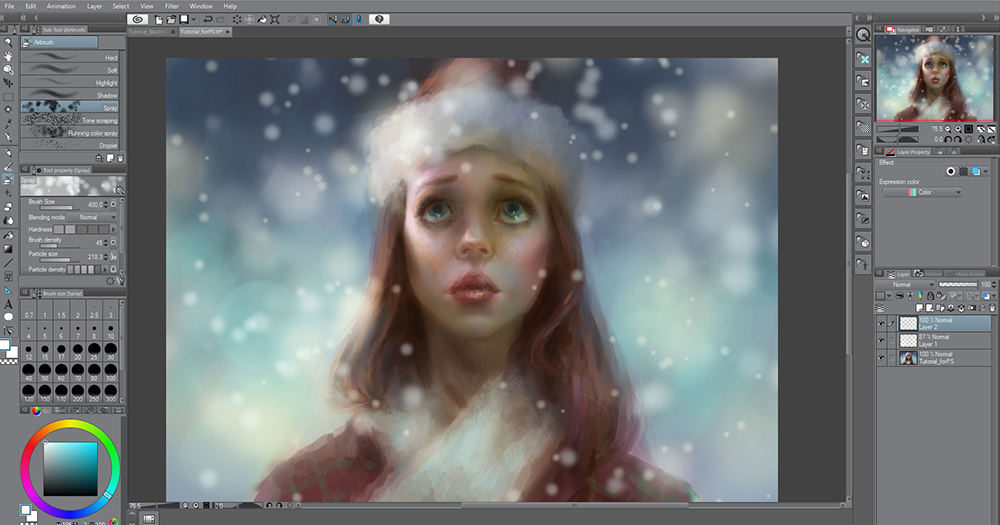
fig 41. Painting back in the snowflakes, using 2 dissever layers
I'll finally zoom in on the pilus and pigment in some individual strands. I'yard using the Circular watercolor brush (fig. xl) for this, with a very minor brush size.
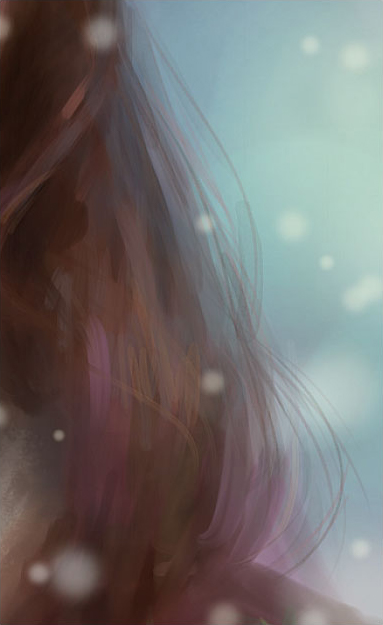
fig 42. Finally painting in some individual strands of hair
Fig. 43 shows the level of rendering I consider "finished" for this slice. Think that you are your own artist, and will take your own opinions on how rendered y'all'd similar things to exist in the final. Your painting can be looser than this or tighter than this; the aesthetic of your work is entirely upwards to you, and your aesthetic taste is just every bit valid as mine!
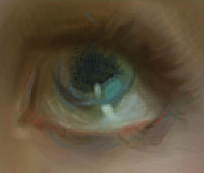
fig 43. A close upward of the finished eye
Well folks, we did information technology – the painting is finished! Encounter fig. 44.
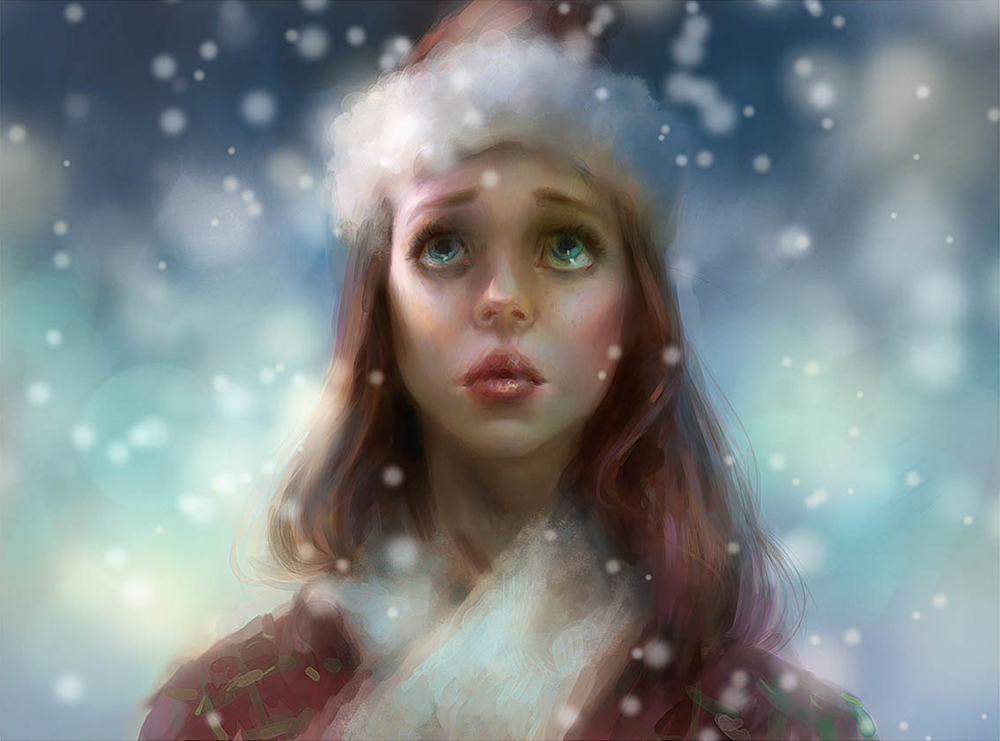
fig 44. The finished painting
This is a very versatile approach to digital painting. You can use it to pigment all kinds of characters, in all kinds of lighting, with all kinds of palettes – all with merely a few simple (yet powerful) tools in Clip Studio Paint. I hope y'all enjoyed post-obit along with me, and I wish you all the best with your work! This is Marco Bucci, signing off!

Source: https://www.clipstudio.net/how-to-draw/archives/158928
Posted by: rollinspritterpron.blogspot.com
0 Response to "how to learn to draw disney princess eyes and lips"
Post a Comment